
Clear Findings. Honest Recommendations. The Right Work.
From the first site concern through assessment, sampling or testing, recommendation, intervention and handover, JPS follows a practical process designed to identify the actual condition, explain the findings and complete the work the fuel-storage system requires.
Evidence-Led Assessment
Clear Practical Scope
Appropriate Intervention
Start with the site concern
Symptoms, history and operational pressure help establish where the investigation should begin.
Make the condition understandable
Where practical, findings are supported by samples, component condition and observations from site.
Scope the work that matters
The intervention is connected to the actual condition, operational risk and agreed scope of work.
From The First Symptom To A More Reliable System.
Fuel-storage problems are rarely solved by looking at one isolated component.
JPS follows the concern through the relevant parts of the storage and delivery system before recommending the appropriate next step.
Tell Us What You Are Seeing.
The process starts with the concern affecting your site—not a pre-selected service package.
Share the symptoms, affected equipment and operational impact. Even when the source is unclear, this gives JPS a practical starting point and helps determine which part of the fuel system requires attention first.
When the Problem Is Hidden, the Evidence Must Make It Visible.
Fuel samples, filter condition, component wear, site observations, photographs and testing results can help connect an operational symptom to its likely source.
Where required, laboratory analysis, Vacusonic testing or pressure testing can provide additional information. The evidence is considered alongside the tank, filtration, pumps, manholes, pipework and affected equipment before a recommendation is made.
The sample is not the whole diagnosis. It is part of the evidence.
Findings must still be considered alongside the tank, filtration, pumps, lines and equipment affected.
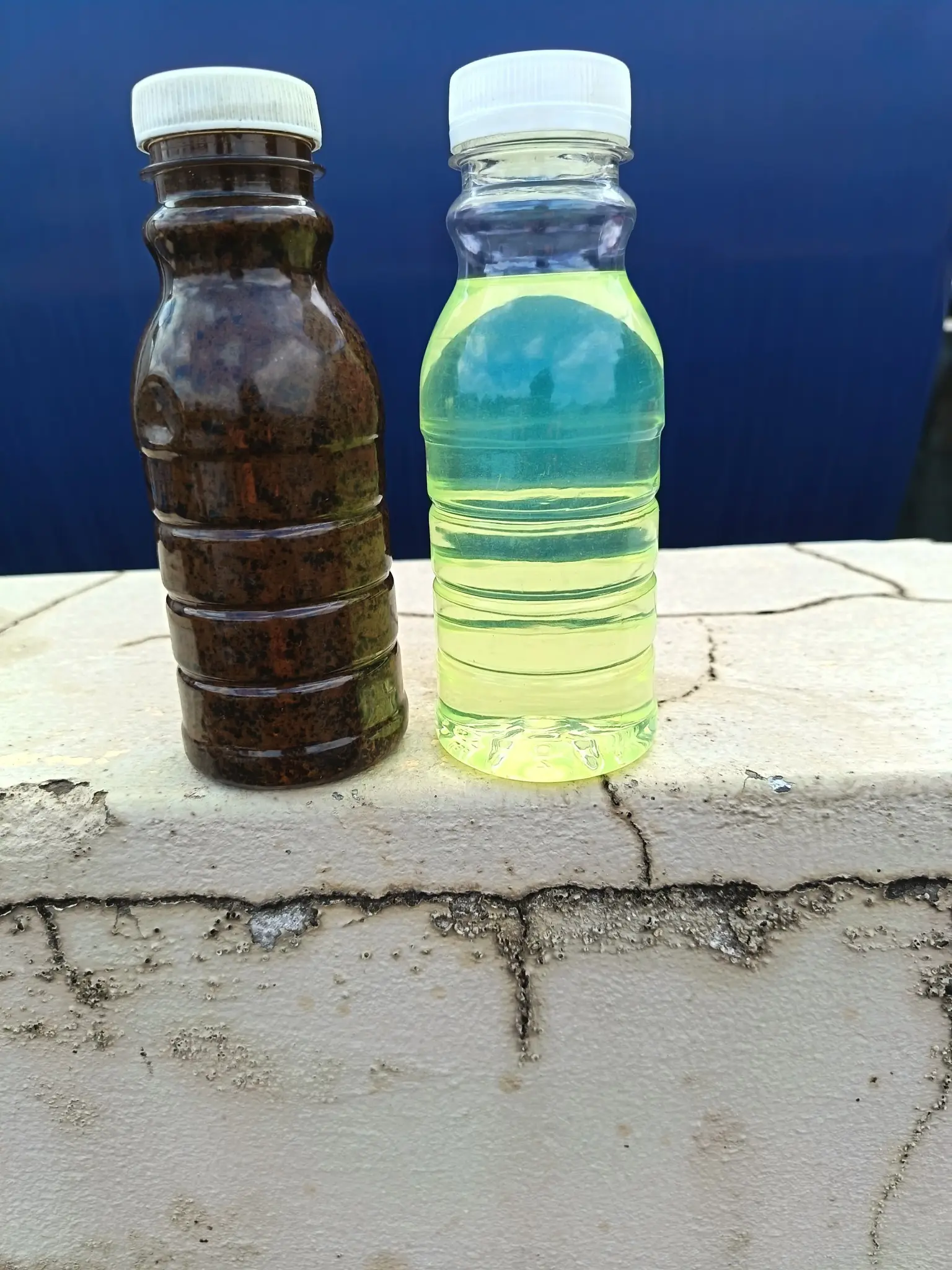
A Process Built Around Transparency.
JPS does not treat every symptom as the same problem. The scope should follow the evidence, the operational risk and the condition of the specific system.
No Guesswork
The investigation begins with the site symptoms and relevant components rather than assuming the cause in advance.
No Vague Scope
Recommended work is explained in practical terms so the client understands what requires attention and why.
No Unnecessary Work
The objective is to address the actual weak point and protect operation—not to expand the job without justification.
Useful Information Helps Us Start in the Right Place.
You do not need to diagnose the problem yourself. A few practical details can help JPS understand the site and prepare for the assessment.
Not sure where the problem starts? Describe what you can see, hear or experience on site. JPS can help trace the concern through the connected system.
Tell us about blocked filters, poor fuel flow, water or sludge, visible contamination, inaccurate dispensing, suspected leaks or unexplained fuel loss.
Indicate whether the concern involves a tank, pump, dispenser, generator, filter, manhole, fuel line or wider storage system.
Recent fuel deliveries, recurring breakdowns, previous repairs, earlier cleaning or testing, and tanks that have stood unused can all provide useful context.
Site photographs, fuel samples, blocked filters, visible component damage or previous test and maintenance reports may help JPS prepare before attending.
Tell JPS What You Are Experiencing On Site.
You do not need to know which service to request. Explain the symptoms, affected equipment or operational concern, and JPS will help identify the most relevant assessment, intervention or support required.